in-situ
In-situ conservation is a form of nature conservation where species are conserved in their usual environment. The name comes from Latin and means "in place" 🌳🐾
CONSERVATION IN PLACE
Conserving endangered species, and preventing them from becoming extinct, requires efforts at several points in the chain. In the zoo, we can contribute with breeding and research to create a gene bank, while learning more about the species' behaviour and needs. Conservation work in zoos is referred to as ex-situ, which means that the work is carried out away from the species' home range. Conservation measures are also carried out in-situ, i.e. in the area where the species lives or has lived in the past. At Parken Zoo, we contribute to several such projects, which you can read more about below.
________________________________________________
giant nut
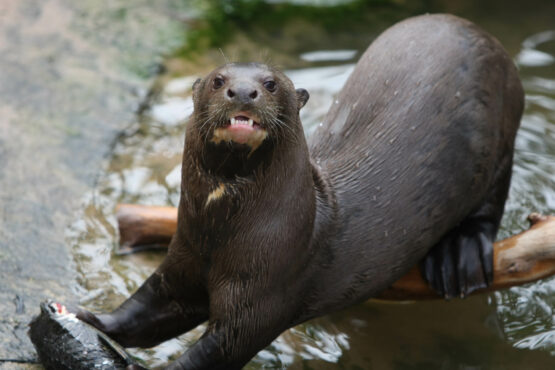
The Zoo, together with other zoos in the European Giant Otter Conservation Programme, has been involved in sending individuals to be included in reintroduction projects of a top predator such as the giant otter in Iberá, a large wetland area in Argentina. Fundación REWILDING Argentina is an organisation working on a range of reforestation projects in Argentina.
Here a male from Parken Zoo arrives at the project in Argentina:
Here he comes to his training centre:
Here is a female that will mate with the male from Parken Zoo:
To read more about the project visit https://ww2.rewildingargentina.org/ibera-project/
________________________________________________
Radiated tortoise
Turtle Survival Alliance
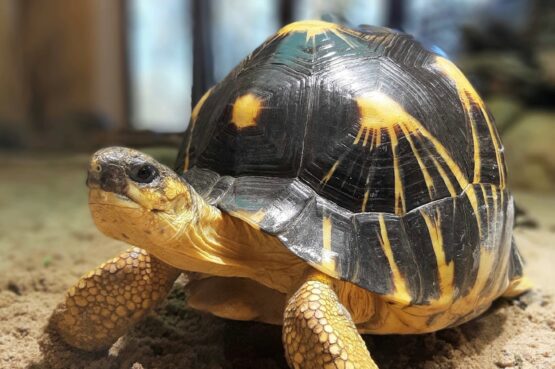
The Turtle Survival Alliance (TSA) is an organisation that works to ensure that turtles do not become extinct, and they work all over the world. Parken Zoo supports TSA Madagascar with an annual donation. They focus on the conservation of the endemic turtles found in Madagascar, including the Radiated Tortoise (Astrochleys radiata). In addition, over the last few years we have been running a campaign to raise funds for this project via Swish from those who want to help. In 2018, a large number of radiated tortoises held by poachers in terrible conditions were seized. They are being cared for by two rehabilitation centres that keep the turtles in safe conditions. In 2021, work began on returning the seized radiated tortoises to the wild. This is done in co-operation with authorities and local people in protected areas so that they are not directly collected by poachers.
If you would also like to help in this endeavour with a contribution Swisha to Parken Zoo, 123 083 82 35. Remember to label the payment with ”Radiated turtle”.
Just £30 is enough to cover the cost of feeding one of the turtles for a whole year in one of the rehabilitation centres, where there are still thousands of turtles in need of care before they too can be released!
In addition, work will continue to release a further 4000 turtles back into the wild in 2023!
________________________________________________
Komodo dragon
Komodo Survival Programme
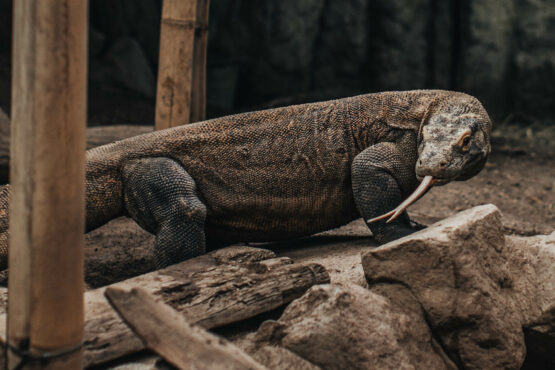
The project works to protect and conserve Komodo dragons, which are endemic to a few islands in Indonesia. The project is based on four pillars:
- Scientific research and monitoring programmes on the biology and ecology of the Komodo dragon and the terrestrial biodiversity of its home range.
- Training and capacity building for Indonesian citizens so that they can carry out conservation work themselves.
- Provision and dissemination of reliable and easily accessible information on Komodo dragons.
- Promotion of sustainable development and conservation awareness initiatives for local communities in and around the natural habitat of the Komodo dragon.
If you also want to contribute, or read more, visit https://komododragon.org/
________________________________________________
RED PANDA

Red Panda Network
The project works to protect and conserve the wild red pandas and their habitat through education and empowerment of local communities. The Himalayan panda habitat is one of the most biodiverse areas in the world. It is home to many unique and endangered species including snow leopards, tree leopards, Asiatic wild dogs and red pandas. The red panda has been identified as an indicator and umbrella species in this ecoregion. Since 2007, the RPN has been working to protect the area and also successfully expanded the programme to central and western Nepal and Bhutan. Going forward, the RPN will duplicate efforts in all countries in the red panda range, including India, China and Myanmar. If you would also like to contribute, or find out more, visit redpandanetwok.org
________________________________________________
ALAOTRALEMUR
Save Our Species
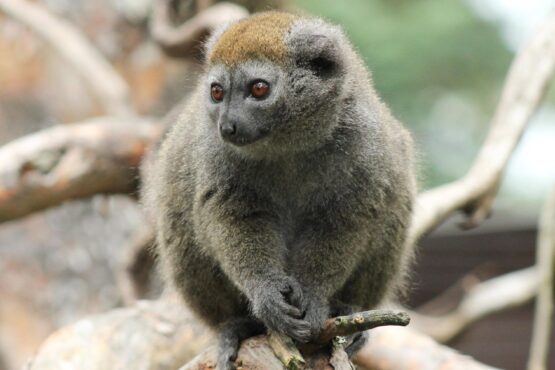
The park zoo has contributed to a lemur project on alaotral lemurs, Save Our Species run by the International Union for Conservation of Nature (IUCN). The Alaotra wallaby is only found around Lake Alaotra in northern Madagascar. It is the only primate that has adapted to live exclusively in wetland areas. Lac Alaotra is the largest lake in Madagascar and is a wetland of global importance. The area is changing drastically due to rice cultivation, fishing and invasive species. The Alaotra wall is therefore at risk of losing its habitat. This project will enable the creation of a new vision for the lake ecosystem, to ensure that the alaotral lemur's habitat is protected. This will be achieved by supporting local communities to sustainably manage the natural resources within the new protected area. The project builds on years of community focussed work, which has also contributed to the creation of the new Lac Alaotra protected area. The project will also improve threat monitoring and law enforcement by developing a community monitoring programme. A key component of the project will involve restoring fragile lemur habitats through planting and mitigation of major threats, such as fires and alien species. The project was time-limited 2016-2018 and if you want to know more about the project visit https://iucnsos.org/projects/improving-the-conservation-status-of-hapalemur-alaotrensis-through-habitat-protection-and-community-led-sustainable-management-of-the-alaotra-new-protected-area/
________________________________________________
DRILL
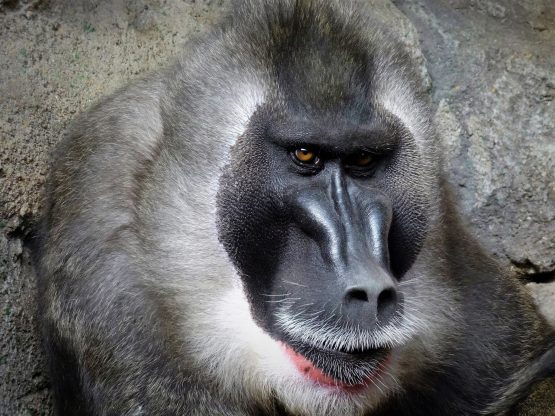
Save The Drill
The project is mainly based in Nigeria, at the Drill Ranch, where they keep several hundred drills. Unfortunately, Drill Ranch suffered a tragedy in 2017. Just 10 days apart, two brutal rain and wind storms brought down dozens of large trees on the sanctuary. The shelters that keep the drills safe from poachers were smashed. The veterinary clinic, water supply, solar panels and staff housing were also destroyed. As staff cleared the debris, they were devastated to find that a total of five drills had been killed. Drill Ranch is now in urgent need of medical equipment, chainsaws and other tools, as well as materials to build a new veterinary clinic and new staff housing. Reconstruction has begun, but to continue, Drill Ranch needs financial help. Parken Zoo has made a donation. If you would also like to contribute, or find out more, visit save-the-drill.org
________________________________________________
GIBBONAPA
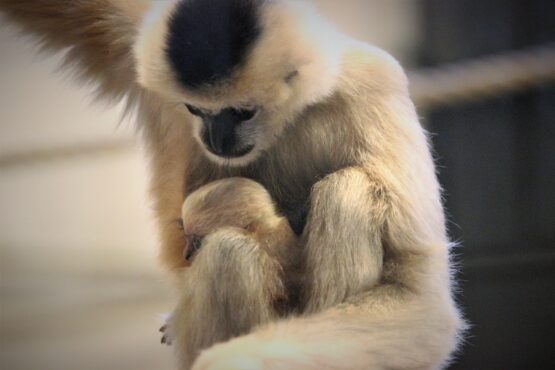
Foundation for the Protection of Species
Gibbons are highly endangered and several species are close to extinction. This is mainly due to habitat loss, as well as the capture of gibbons to be eaten, sold as pets or used in alternative medicine. There are extremely few yellow-cheeked gibbons left in Vietnam, but very little is known about the species, making conservation efforts more difficult. More research and knowledge is needed and urgently! Stiftung Artenschutz and the Frankfurt Zoological Society are now establishing a long-term monitoring programme in Vietnam to map the yellow-cheeked gibbon population. The project, to which Parken Zoo has previously contributed, makes several contributions
- Park rangers are trained to protect the gibbons and their natural habitat.
- Local people are educated about the environment to teach them that gibbons need to be protected
- Promotion and co-operation with schools for educational purposes
- Dissemination of global knowledge about gibbons through scientific publications and an information film.
If you also want to contribute, or read more, visit http://www.stiftung-artenschutz.de
________________________________________________
SANDCAT
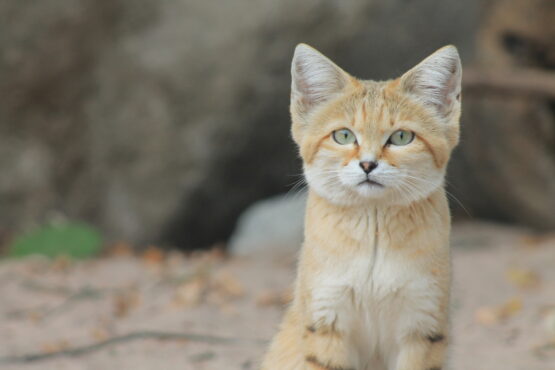
Sand Cat Sahara Research Team
The zoo has previously supported the Sand Cat Sahara Research Team. The team is working to map the sand cat population and their behaviour in the Sahara using cameras and GPS collars. Sand cats are very difficult to detect because they rarely leave paw prints or prey scraps, have muffled calls and only move long distances under cover of darkness. Their fur is sand-coloured and therefore a perfect camouflage. They usually sit very still and hide if they feel threatened or are observed. Locals testify that they have lived their lives in the desert without ever seeing a sand cat. In 2017, the team managed to film wild sand cat cubs, which is probably unprecedented. More field studies have been conducted in 2018.
To find out more or to contribute, visit https://panthera.org/
________________________________________________
pygmy hippopotamus
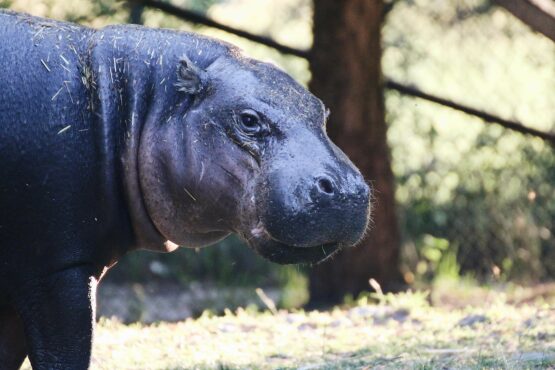
IBREAM; Institute for Breeding Rare and Endangered African Mammals
IBREAM consists of a group of researchers and partners who are actively working on various projects. For example, a project on the conservation of pygmy hippos in Côte d'Ivoire, led by Dr Monique Paris, was launched in 2009. Today, several projects are underway to increase knowledge about pygmy hippos, which have a secretive lifestyle in a very limited range.
To find out more or to contribute, visit https://ibream.org/
Pygmy Hippo Research Update - 2013 in Review
Pygmy Hippos in Taï Forest 2017/2018: update and first impression