GET INVOLVED
No-one can do everything, but everyone can do something! 🫶🏻
TOGETHER WE MAKE A DIFFERENCE!
Our lifestyles affect the animals and nature around us. Today, many animals and habitats are threatened by littering, poisoned waters, deforestation and poaching. To reverse this negative trend, we all need to work together. Does it feel overwhelming? Start with yourself and what you can do. Every step in the right direction is good and important! There are many ways to make a difference and we want to give you some tips on what you can do to help preserve both animals and nature. 💚🐾
What can I do?
- Walk or cycle as much as you can.
It is good for both your body and the environment. Take the train and bus rather than the car, and if you have to take the car, try to carpool and avoid short journeys. This helps reduce emissions, which in turn slows down global warming.
- Eat more green, for the climate, your health and your animals.
Meat production accounts for a large proportion of greenhouse gas emissions, contributes to eutrophication and deforestation due to the feed the animals eat. Make sure that the meat you eat is Swedish and preferably organic and you will support our Swedish farmers. Swedish animal welfare legislation is better than in many other countries and we do not use antibiotics as a preventive measure.
- Choose food that is organic, seasonal and locally produced.
This is to support our Swedish farmers who work for sustainable agriculture instead of food that comes with long transports with emissions as a result.
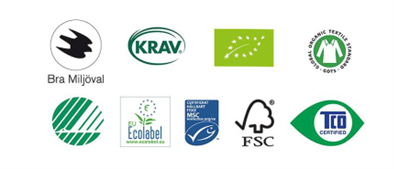
- Make use of eco-labelling when shopping.
It is an easy way to make good choices as a consumer. KRAV, EU Flower, MSC and Swan are some of the most important labels. Avoid buying giant prawns and products containing palm oil. Large areas of important ecosystems are being cleared every day to make way for palm oil plantations and prawn farms. The more we consume, the more we need to deforest.
- Shop sustainably!
Our consumption is by far one of the biggest factors negatively affecting our environment and therefore our animals. In production, materials are taken from nature or manufactured in factories. These processes emit a lot of greenhouse gases and disperse huge amounts of chemicals. In many cases, huge amounts of water are used that should be used for other purposes. Make sure you buy as much as you can second-hand. There are plenty of shops, online stores, clothes swap days and the like. Second-hand shopping is better for the environment, your wallet and, in many cases, your health, as you do not come into direct contact with many of the chemicals used in production. If you live in or near Eskilstuna, we recommend a visit to the fantastic recycling centre Retuna!
- Save energy!
There are better and worse ways to get energy, but all ways affect the environment. Make sure you do what you can to save energy. Don't flush water unnecessarily, switch off electronic devices, don't leave chargers plugged in, turn down the heating in your home and switch off lights that don't serve a purpose.
- Sort your rubbish and reduce waste!
We've never had as much waste as we do now because of our high consumption and all the packaging. The best thing is not to have so much waste in the first place by consuming less and better. The waste we do get is incredibly important to be recycled so that we can reuse the materials instead of taking new ones from nature or factories.
- Take care of the water!
The water we have today is the same water that the dinosaurs drank and it is the only water we will leave to future generations. Pretty much every living thing depends on clean and fresh water to survive. Just flush down, pee, poo and toilet paper. Reduce the use of chemicals and cleaning products as much as possible and always make sure you take leftover medicines to pharmacies and chemicals to recycling centres so they don't end up in the environment.
- Protecting biodiversity!
This is also incredibly important when it comes to smaller animals such as birds and insects. Feel free to leave part of the garden wild and flowering. Think about our little pollinators. You can also help them by building different types of insect huts. About a third of everything we eat is pollinated.
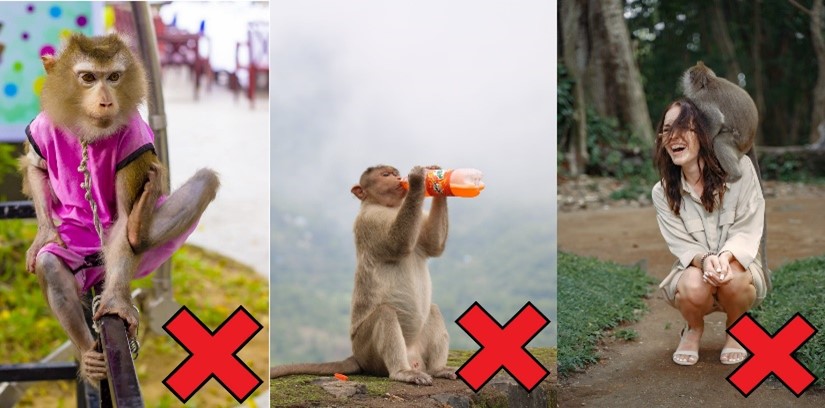
- What should I not like and share on social media?
A major contributing factor to the increase in illegal trade in endangered animals is the spread of pictures and videos on social media of wild animals kept for entertainment or as pets. Keep in mind that even a ”thumbs down” will help boost the spread of the post.
On holiday
- Don't buy souvenirs made of animal parts when travelling abroad!
Poaching and illegal trade in animals is estimated to generate almost SEK 125 billion per year It is a major contributing factor to our endangered species. It is not always obvious which souvenirs are made from animal parts so be very critical when shopping.
- Avoid animal entertainment on holiday!
Elephant riding and wildlife photography for payment abroad can contribute to an increase in illegal trade. These animals are rarely given the opportunity to live a natural life when they are not entertaining tourists. It is also common for tigers, for example, to be heavily medicated to keep them calm so that visitors can pet and take pictures.