Things to consider this Easter!
12 March 2018
Easter is not far away and, as always, there is a lot to think about. We as consumers have great opportunities to influence and make good choices for the animals and the environment. Here are some tips:
Skip the Easter feathers!
The classic Easter feathers on sale are a real environmental villain! They come mainly from turkeys raised in the United States, from where they are shipped to China to be dyed and wired, and then they travel the long way to Sweden.
It is difficult to verify exactly where the feathers come from, but sometimes the feathers are plucked from live birds, but also as a by-product of already slaughtered turkeys. It is possible that these turkeys have been living in confined spaces, with their beaks and claws cut off, to avoid fighting with the other turkeys.
Feathers are available in both paper and synthetic - but why not make your own Easter decorations? For example, you can take a torn piece of fabric, paint it in beautiful colours, cut strips and then tie it to the Easter bouquet. Stylish and environmentally friendly!
Check what your Easter candy contains!
Many candies contain palm oil, which is devastating for animals and the environment. The animal species that live in areas where palm oil plantations are spreading are struggling to survive and many of them are at risk of extinction, such as the Sumatran tiger, the fishing cat and the gibbons. Species that we care about here at Parken Zoo. Put pressure on your retailer and ask for palm oil-free Easter candy!
Choose eggs wisely!
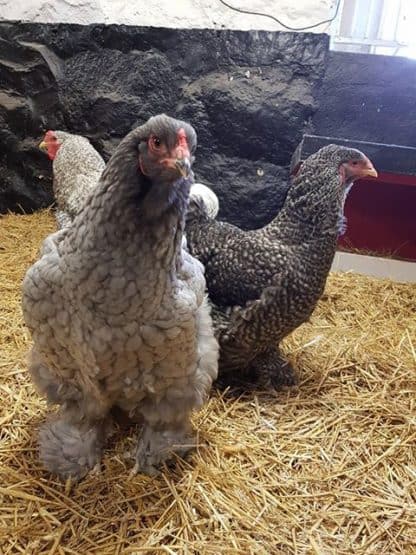
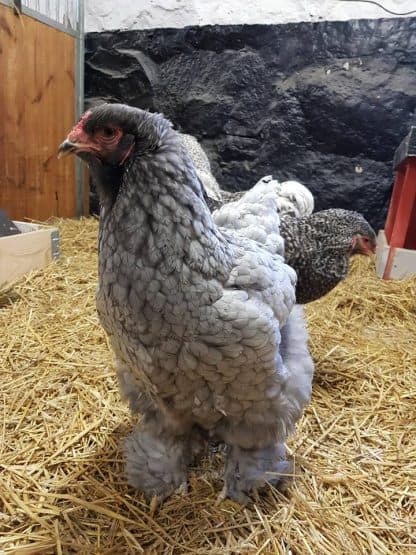
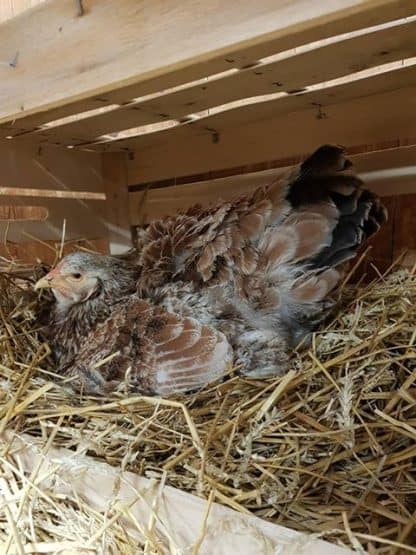
There are different labels on the egg cartons depending on the life of the hens.
Decorated cages - the hens live in cages with perches and sand baths.
Free-range indoors - the hens are free-range indoors, but do not go outside.
Free range outdoors - the hens are free to roam indoors and outdoors.
Organic - hens are free to roam indoors and outdoors, they have more space per hen than in the other systems and are fed organic, unsprayed feed.