Today is World Wildlife Day!
3 March 2018

Large cats are among the most well-known and admired animals worldwide. Today, these charismatic predators face many and varied threats, mostly caused by human activities. Overall, their populations are declining at an alarming rate due to loss of habitat and prey, human-wildlife conflict, poaching, and illegal trade. Did you know that in traditional Chinese medicine, tiger whiskers are believed to help with toothache, making their bodies worth more dead than alive?
Today on World Wildlife Day, we want to highlight our majestic big cats, so they can be with us on Earth for generations to come.
Did you know that?
• The leopard is the most widespread species of wild cat in the world. Recent studies show that they have lost over 75% of their habitats. They are no longer found in at least 49% of their historical range in Africa and over 50% of their original range in Asia. The Amur leopard we keep at Parken Zoo is one of the most endangered cats, with numbers having fallen to just 40 individuals remaining in the wild.
• The cheetah is Africa’s most endangered big cat. Only around 7,000 cheetahs remain in the wild, and they are now extinct in their Asian range, with the exception of around 50 individuals in Iran. Approximately 77% of the cheetah’s habitat lies outside protected areas, making them extremely vulnerable to human threats.
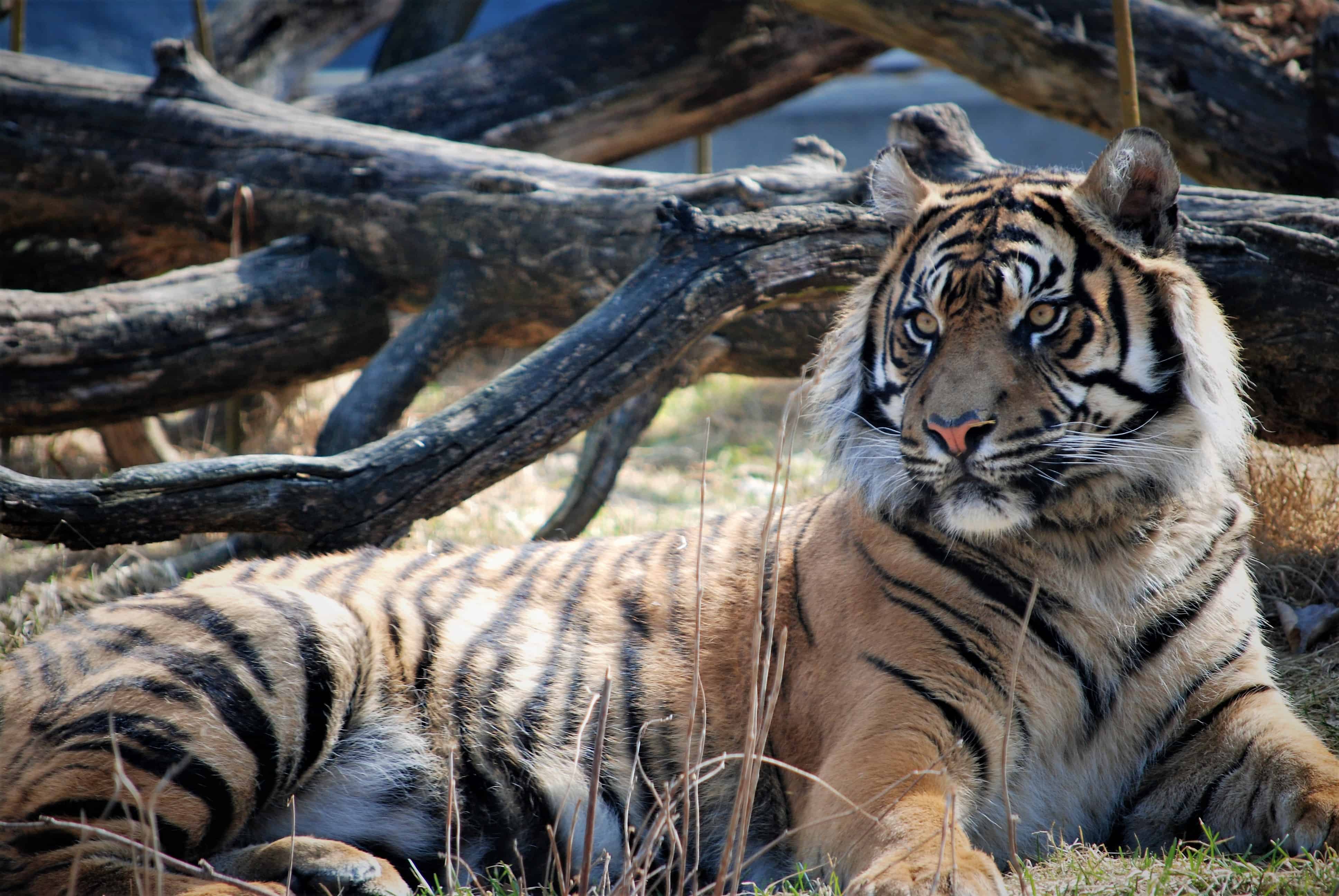
• Wild tiger populations, estimated to have numbered over 100,000 a century ago, have declined by 95%. A large proportion of this decline has occurred over the last 10 years. According to the latest estimates, there are only 3,900 tigers left in the wild across the entire planet. Of all the big cats, tigers are the most endangered.
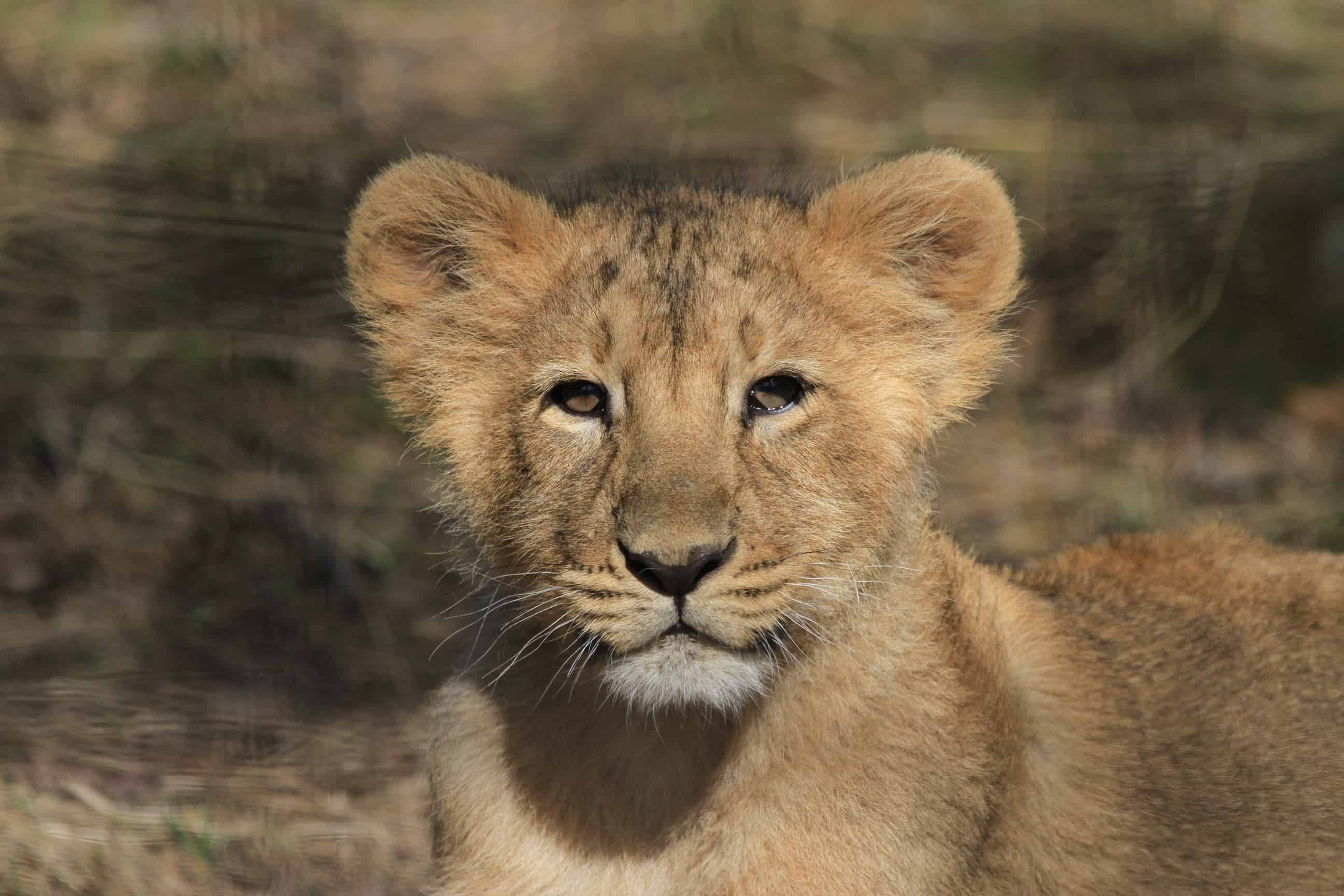
• Just over a hundred years ago, there were probably more than 200,000 wild lions in Africa. Today, lions have been driven to extinction in 26 African countries and have disappeared from over 90 per cent of their original range. Over the past two decades, the African lion population has declined by 43%. It is estimated that there are 20,000 African lions remaining, whilst there are approximately 300 Asian lions in the wild.
All the world's big cats face various threats, but it is still possible to protect these extraordinary animals and the places where they live. If we consciously choose to do so, the animals, people, and the planet we call home will triumph. It is our collective responsibility to support conservation efforts and share our planet with all creatures.
You have a chance to spread the word! You have the power to make a difference!
Read more at: wildlifeday.org