THE WORK OF ZOOS
Below you will find answers to many of the questions we receive at the zoo. 💭
WHAT DO ZOOS ACTUALLY DO?
We would like to start by thanking you for your commitment to animals and for seeking information. We need more people working to conserve biodiversity and reduce threats to animals and their habitats. The image of what zoos used to look like is still alive and many people are not aware of how zoos actually work today.
To be a zoo in Sweden today, you need to work with research, conservation and education.
You can read more about the work of the park here.
________________________________________________________________
Why are there zoos today?
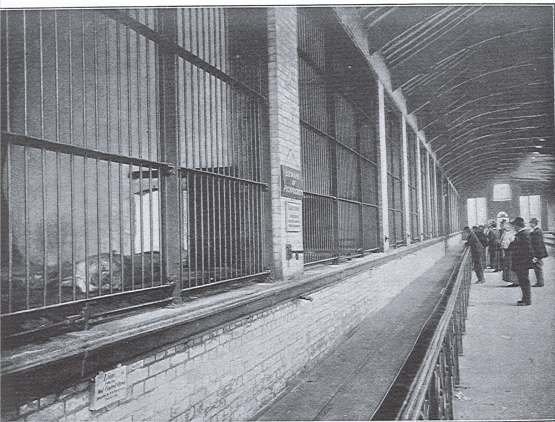
In the past, zoos were only for us humans and for us to see exotic animals up close. Knowledge of animals and their needs was low, animals were taken from the wild and animal welfare was poor. Today, professional zoos operate very differently!
(Images taken from ”Zoo animals, behaviour, management and welfare”, Hosey, Melfi, Pankhurst, 2009)
The main purpose of zoos is to help preserve biodiversity by keeping endangered species in zoos as an assurance that they will not disappear completely. This means that if the worst happens, they become extinct in the wild, a population remains in zoos.
The future is uncertain and the ability of animals to live in natural areas that are not protected is under threat. Introducing animals into the wild requires local people and politicians to share the same goals for the future of the species and requires financial resources, education and, most importantly, a change in human behaviour before this could be possible on a large scale. Here you can see which in situ projects we contribute to.
Do zoos work with research?
Research differs from park to park. At the Zoo park, it is very much about animal welfare studies and behavioural studies. We host students from various educational institutions and are involved in the final projects of animal welfare students. We also provide financial support to increase understanding of the behaviour of animal species in the wild. We also document in ZIMS, which is a source used globally for animal information. In addition, we perform autopsies on all animals that die and participate in various studies on stress. At the moment, a research project is underway on how animals perceive their surroundings in relation to the structure of their retina and brain, where Parken Zoo is one of the partners of Dr João Paulo Coimbras from the University of the Witwatersrand in South Africa.
Do zoos educate visitors?
Education is one of the most important missions of a zoo and it happens in many different ways. In everything we do and everything we communicate, we weave in aspects that animals are endangered, why they are endangered and what you can do yourself and also why we should do it.
For the general visitor, this involves public tours, signage, meetings with staff, website and social media.
We receive school classes, trainees and booked events from private individuals and companies every year. The training we provide for schools is linked to the curriculum. One of our largest training initiatives is in collaboration with Eskilstuna Municipality, Eskilstuna Energi och Miljö and Kommunfastigheter. You can read more about this fantastic and unique concept here, Eco Friends.
Are you reintroducing any animals to their natural environment?
Reintroduction is not done directly through the individual park but through the European Zoo Association's conservation breeding programme in which it is involved. We have previously reintroduced individuals from the chicken frog species. Of the projects we are involved in, the closest species at present is the critically endangered Amur leopard and also the critically endangered Egyptian tortoise. However, it is not clear from which institution the individuals will be released. Most of the projects have not yet reached this stage, but it is a goal that lies further ahead, as it requires political and financial support, support from the local population, education and, above all, a change in human behaviour to reduce the existing threats. In conservation work, it is important to take a long-term approach with a plan for the future. In many cases, natural habitats have been lost to an extent too great for release to be possible.
The majority of conservation projects have in situ organisations associated with them with which they collaborate. This may involve contributing research, training, knowledge, financial support, information dissemination, etc.
One of our projects is the reintroduction of the giant otter Nanay to the wild in Argentina.
NANAY ARRIVES IN ARGENTINA TO JOIN THE GIANT RIVER OTTER REINTRODUCTION PROJECT
Nanay arrives at San Alonso Island in Iberá Park, Corrientes, Argentina - YouTube
Ariranha arrived to Iberá Park - YouTube
EXCITING NEWS: THREE GIANT RIVER OTTER CUBS WERE BORN IN IBERÁ PARK! - YouTube
Are species becoming extinct?
Yes, unfortunately! Nobody knows how many species are going extinct, but it is at least 200 species each year, probably much more. Today, over 35,500 species are threatened with extinction. That's 28% of all species assessed by the International Union for Conservation of Nature (IUCN).
The work of zoos has saved the lives of several species through their work. Today, several species remain even though they were once extinct from the wild, species that would not have existed if zoos had not existed. Some species are only found in zoos, while others have been reintroduced into the wild.
Those species that are extinct from the wild are classified as EW (Extinct in the wild).
Przewalski's horse, black-footed ferret, Californian condor, Arabian oryx, mink and the red wolf are some examples of species that are no longer classified as Extinct in the wild (EW) thanks to conservation breeding programmes. In the current situation 77 species are classified as EW, e.g. sable oryx and David's deer. Several of these are subject to conservation breeding in zoos or similar institutions, and reintroduction has been initiated for 6 of these species (2018).
The work of zoos is one factor in conserving biodiversity. Much more needs to be done, in large and small ways, by organisations and individuals alike. Here you can find tips on what you can do to get involved for a sustainable future.

Does it matter if species go extinct?
It can sometimes be difficult for us to understand the consequences of a species' extinction. Nature is complex and in many cases we have not recognised the consequences until it is too late. The film How wolves change rivers is a comprehensive and explanatory film about how an entire ecosystem is affected when a species disappears, or in this case, is reintroduced. A species, the red wolf, that has been preserved thanks to the efforts of zoos and their conservation breeding programmes.
HOW TO CONSERVE SPECIES?
The conservation of endangered species is done in different ways. One is through conservation breeding programmes, which aim to maintain a healthy population of endangered animals in zoos with high genetic diversity and welfare. Research is also carried out to increase knowledge and welfare of the animals and educate people on environmental issues with the aim of changing people's behaviour, as it is we humans who are the cause of the animals being endangered. Part of the education takes place through recreation, experiences and close contact with animals where domestic animals also play an important role in people developing their respect and empathy for animals and nature, which is an important basis for future environmental awareness.
The majority of the species living at Parken Zoo are part of some form of conservation breeding programme, most of which are classified as endangered or near threatened.
IS THE WORK ONLY DONE IN THE ZOO?
When working with conservation, you usually work both ex situ and in situ. Ex situ involves carrying out conservation activities outside the animals' natural environment, such as zoos. The projects help to support in situ-work in different ways. These can be financial contributions, training, research results, labour, etc.
A long-term goal is also to be able to contribute by releasing individuals from parks into the wild if more females, males, cubs, new genes or in areas where the animals are already extinct. This has been started in some projects, but most projects have not yet reached this stage due to the massive environmental destruction and all the threats to the animals and their homes.
Where do the animals come from?
There are different populations in conservation work. The wild populations and a zoo population that acts as a genetic reinforcement to the wild population. The zoo animals are not taken from the wild but have lived in parks for many generations. However, they are still wild animals and efforts are constantly being made to allow them to perform natural behaviours, have environments as close to the wild as possible and have a great variety in their daily lives. There are exceptions where wild animals have been confiscated at customs as part of the fight against the trade in endangered animals or in extreme crisis situations where all wild individuals are at risk of extinction. In these cases, there may be wild-born animals even in zoos.
Can animals live a natural life in a zoo?
When it comes to the animals' ability to perform natural behaviours and their welfare, the aim is always to provide the animals with as natural an environment as possible, to enable them to perform natural behaviours, to give them freedom of choice and to ensure their high welfare. Enrichment and variety in everyday life are part of daily management routines, and research is constantly being carried out to improve knowledge of the species and their welfare. Some behaviours are easier to assimilate than others. For example, predators cannot kill and eat prey because it is against Swedish law to feed them live prey. So you have to find other ways to allow them to engage in hunting behaviour, spend a long time eating and use their muscles, claws and teeth properly. This may involve various forms of tug-of-war, feeding with fishing rods or different types of feeding devices. The space in a zoo is also not comparable to that in the wild, but again it has been recognised that an animal that has what it needs does not necessarily require as much space as in the wild. An animal in the wild generally has large ranges because it needs to have everything it needs, a mate, food, water, shelter, etc. Therefore, the right furnishings and enrichment in their enclosure are incredibly important.
MUST A ZOO HAVE VISITORS?
Visitors are incredibly important to a zoo for several reasons. As a visitor, you are helping to keep the parks in operation to care for and keep endangered species and participate in conservation programmes. Even if we had the financial ability to keep the zoo populations of the endangered species as a gene bank without visitors, we would still choose to be a public park because otherwise you miss out on the whole awareness-raising piece. In addition to the conservation of endangered species, another incredibly important purpose of zoos is to spread knowledge and create awareness of environmental issues and help to create the behavioural change that is actually required to preserve the endangered biodiversity. Animals are under threat because of us humans, how we live our lives and what we consume. Here too, animals play an incredibly important role in creating a fascination and love and reducing the gaps between humans and animals that are currently too great. We want people to meet animals, have memorable experiences and learn more to create a lifelong engagement, but of course always on the animals' terms.
Why do you have an amusement park?
In addition to the zoo, Parken Zoo also has several other activities linked to the park such as the amusement park, camping, restaurants, performers, mascots, play areas, swimming, etc. These are there to offer a fantastic overall experience, be an attractive tourist attraction and offer a high quality for our visitors and make the destination more interesting. In this way, we also reach visitors who might not have chosen to come otherwise. As a visitor, you are helping us as a zoo to help preserve the endangered species, regardless of why you chose to come to us. We also reach out with our conservation education message to people we would never have reached otherwise. It is possible to combine fun and experiences with conservation of endangered species without compromising animal welfare.
HOW MANY VISITORS DO YOU HAVE?
During the season, we have around 200,000-250,000 visitors. In addition, there are all those who visit us through our educational activities such as schools, companies and booked events outside the opening season.
How many animals do you have?
The park is home to around 350 individuals (excluding insects and fish) divided into 51 species (2025).
WHY ARE THERE DOMESTIC ANIMALS IN ZOOS?
At Parken Zoo there is a relatively large domestic animal department where we work a lot to create respect, understanding and empathy for animals. Today, many people are distanced from animals and nature, which makes environmental work difficult and we have many visitors with us who never come into contact with animals otherwise. Closing the gap between animals, nature and people is an important part of conservation work. Among domestic animals, we also work to increase knowledge about animal behaviour and needs in order to improve the welfare of the pets that live in our visitors' homes. Another part of our work with the domestic animals is to participate in the preservation of livestock breeds for the future with herds in the gene bank, such as the Mellerud rabbit, which is an endangered landrace with a role in self-sufficiency. The domestic animals that are not relocated or saved for future breeding are slaughtered and fed to our predators. Slaughter of domestic animals takes place in peace and quiet in their home environment. Breeding and slaughter of domestic animals gives Parken Zoo control of the animal's welfare throughout its life cycle.
HOW DO YOU DECIDE WHICH ANIMALS SHOULD BE IN THE PARK?
There is a species plan based on the main objectives of the zoo. Here, the threat status and the general need within and recommendations from the European Zoo Association play a major role. For some species there may be a high need for space while others may be over-represented. It also looks at aspects such as the experience of the park, the resources of the park in terms of facilities, staff, finances, how the species thrives in the existing climate, etc.
ARE ZOOS REALLY IMPORTANT TOURIST ATTRACTIONS TO CONTRIBUTE TO SUSTAINABLE DEVELOPMENT?
Yes, for several reasons. Zoos have a great deal of knowledge in the field and have enormous potential to act as experts precisely in order to influence the media, politicians and members of society, contribute with research to increase knowledge in conservation work but also increased welfare for the animals. By acting as a tourist attraction and collaborating with the school world, you also reach people you would not otherwise reach.
Why can't we just conserve endangered species in the wild?
Today, humans are destroying animals' natural environments through deforestation, fragmentation, over-exploitation, hunting and the spread of disease. Mass extinction is taking place, with several animal species being wiped off the planet every day. In many cases, natural habitats have disappeared too much, there are simply too few natural habitats left. Given the criticality of the situation, action in the animals' home ranges is not enough - we need to work on multiple fronts to prevent disaster. The role of zoos is to protect and conserve endangered species by ensuring their survival.
What are ”surplus animals”?
To preserve a species, many healthy individuals with a wide genetic variation are needed. To achieve this, breeding must take place. It is not possible to control exactly how many chicks are born in each litter, what sex they are, whether they are healthy and whether they survive to reproductive age. Therefore, we need to ensure that we have the number of individuals we need to run the conservation project. This means that sometimes there will be more animals than the exact number that can be accommodated in the programme. These animals are referred to in conservation work as ”surplus animals”. This does not mean that the individuals are in any way less valuable, but that their genes are already represented and that breeding for them is not prioritised. We therefore do not use the term ”surplus animals”.
It is also important to emphasise that animals have a strong drive to reproduce and that mating and rearing young is one of the strongest drives they have. Reproduction is a natural behaviour that enhances animal welfare. We therefore want our animals to have the opportunity to do so, but not freely and uncontrollably.
WHAT HAPPENS TO THE ANIMALS THAT CANNOT BE RELOCATED?
Zoos do everything they can to ensure that the animal has a good life, even if it is not part of the conservation project. Then there are different options. In many cases, the individual stays in the park if it works with the group it was raised in. In other cases, the individual may move to another zoo that keeps the same species and has space.
There are ways to control breeding, which of course is done. These include contraception, castration, keeping female and male groups separate, etc. but these methods are not without problems and can affect the animals both physiologically and behaviourally, and can create stress and have a negative impact on animal welfare. Therefore, decisions on breeding are always made very carefully, decisions that are often quite difficult to make, but necessary if we are to carry out this type of conservation work. The decisions vary from species to species and from individual to individual, and are based on ensuring that the animals are as well-behaved as possible and that the species can continue to exist and be healthy. There is very little research on contraception for wild animals, so it is always unsafe to use it. For example, our critically endangered Visayan warthogs are at risk of permanent infertility if they are not allowed to reproduce continuously, which would be devastating for an already highly endangered species if culling is not used as a population tool.
Are selfies with animals really ok?
Taking selfies with animals is very popular, especially when people are travelling but also when visiting zoos. Basically, this is a positive fascination and interest in animals, but the risk of animals getting hurt is high, so we want to give you some important tips to take into account before taking your picture.
- Poaching and illegal trade in animals is a major threat to many species today. Many animals are captured, drugged and mistreated for use in the tourism industry. Never contribute to this. Always take a critical approach and make sure that the animal has not been harmed or captured from the wild.
- Never force an animal to come to you for a photo, even if it is a domesticated animal. Feel free to take pictures, but it must be on the animals' terms!
- People are fascinated and engaged with animals. Take the opportunity to spread the important message about the endangered situation of animals and the importance of human behaviour change when you share your picture with other people.
Do you make money from baby animals?
The media sometimes portray zoos as breeding baby animals for marketing purposes. This is obviously not the case. We are happy to publicise the birth of cubs because we are proud of the work we do and the success of breeding, but we publicise the births because of the situation the animals live in and the threats the species face. Marketing the babies that are born is not the same as giving birth to babies to market them. Keeping endangered animals is very costly and as a visitor you are contributing financially to this important work.
DO YOU EUTHANISE THE ANIMALS?
In cases where there is no other solution, the animal may be euthanised. It is important to emphasise that this is not a decision taken lightly, but one that is carefully considered and a last resort! This happens when the individual would naturally have left the parents to find its own mate. At that stage, the cub is rejected by the parents and it is natural for it to leave. We follow the Swedish Board of Agriculture's regulations that govern how the killing should be done, as quickly as possible without exposing the animal to unnecessary suffering.
The slaughtered animal also serves a purpose for conservation work in that it is always autopsied, to increase knowledge and contribute to research and education. If it is a domestic animal that has been killed, we use it as feed for our predators, which is a good way, when the opportunity arises, to have a slaughter close to the farm and not use transport unnecessarily. We also have a good control on how the animal has lived.
DO YOU FEEL SAD WHEN AN ANIMAL DIES?
Those of us who work closely with animals build a relationship with them. This means that the death or euthanasia of an animal can sometimes be very difficult. For many people, death feels both alien and frightening. We are there when life starts for many animals and we are there when life ends. Death becomes a natural part, albeit difficult. However, it is important and necessary not to let emotions influence decisions regarding the welfare of animals or the survival of the species, or to keep an individual for selfish reasons at the expense of the animal's well-being. Sometimes the best thing for both the animal's welfare and the survival of the species is to be put to sleep.
Document
All parks affiliated to EAZA work according to a conservation strategy.
The European Zoological Society (EAZA) crop policy.
The Swedish Board of Agriculture provisions.
We co-operate with:
Ethics, morality and animal freedom
We recognise that many people find it difficult to cope with the killing of animals and that the death of animals evokes many emotions. Again, this commitment to animals is incredibly important and we need more people working to keep species alive.
However, it is important to distinguish between one's own feelings about animals and euthanasia and what is the best option for the welfare of the animal and the survival of the species. For example, removing the ability for animals to reproduce just to ensure that you do not end up in a situation where you have to cull healthy animals would have a negative impact on animal welfare and conservation breeding programmes and would be at the expense of the continued existence of the species.
An animal that has been killed should be treated ethically and respectfully, but an animal that is not alive should not suffer or be tortured.
It is also important to distinguish between animal freedom and animal welfare. When we talk about animal welfare, we are referring to the quality of life of the animal. In many cases, welfare is referred to in terms of the five freedoms, which include the animal's freedom to perform natural behaviours and meet its needs and abilities, freedom from thirst, hunger, disease, etc.
Animal freedom and animal welfare do not always go hand in hand. We believe that the conservation of endangered animals in zoos is important and necessary and that it is possible to maintain a high level of animal welfare in zoos with the possibility to perform natural behaviours, in some cases higher than in the wild.
Both animal freedom and animal welfare are important aspects to consider and one need not exclude the other, but it is important to distinguish and understand the meaning of these concepts. There are several different ethical approaches to animals and their welfare. Here you can read more about the different approaches and find out which approach you have.
Those of us who work in zoos have an incredible commitment and love for animals and for environmental issues, and we also have a lot of knowledge on the subject. We work there because we are passionate about these issues. Zoos have trained animal keepers, zoologists, ethologists, biologists, environmentalists, veterinarians, etc. who would never work in an industry that did not care about animal welfare.