Giant bear from Parken Zoo released into the wild
21 October 2026
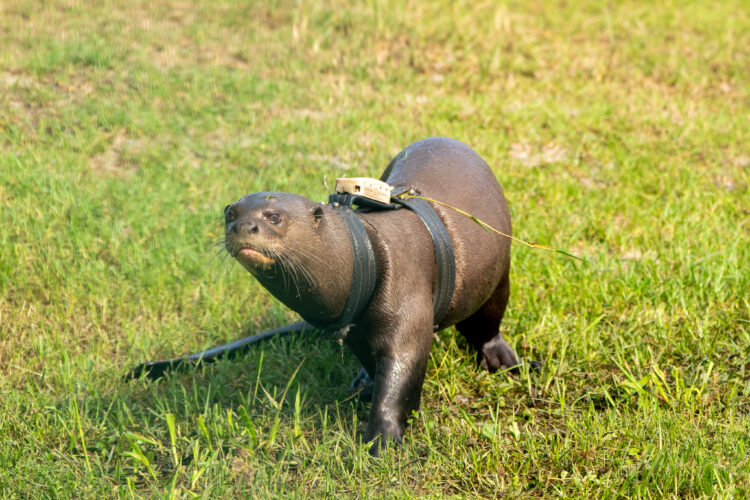
A giant otter born at Parken Zoo in Eskilstuna has now been released into the wild in Argentina. Nanay and his family are part of an international conservation project that works to reestablish the giant otter in Iberá – one of the world’s largest wetlands. The release is a concrete example of the role modern zoos can play in the conservation of endangered species and the restoration of lost populations in the wild.
Nanay was born at Parken Zoo and has been through the European conservation program for giant nuthas become part of a larger international effort for the species' future. As early as 2021, he moved from Eskilstuna to Argentina to find a partner, form a family, and eventually prepare for a life in the wild. Now the next big step has been taken. Thousands of kilometers from the place where he was born, Nanay now swims with his family in the vast wetlands of Iberá.
– It is difficult to imagine a clearer example of why conservation work in zoos is important. One giant nutBorn here in Eskilstuna, the giraffe now swims freely in a South American wetland area and is helping to reestablish its species there where it previously disappeared. This is a fantastic result and something we at Parken Zoo are extremely proud of, says Rickard Sjödén, CEO of Parken Zoo.
One of the most complex tasks in nature conservation
Reintroducing animals born or living under human care back into the wild is a complex process. Moreover, when it involves large, social predators like giant otters, very high standards of planning, knowledge, preparation, and long-term follow-up are required. In 2026, a so-called soft release for the family group with Nanay and Ariranha. The group consists of the adult couple, their four cubs born on March 14, 2024 – two males and two females – as well as three additional cubs born on November 7, 2025 – two males and one female.
The method involves not releasing the animals permanently from one day to the next. Instead, they are gradually acclimated to the natural environment through periods of freedom interspersed with access to a protected facility. During the process, the animals’ behavior, foraging habits, and ability to function as a family group are closely monitored.
The first results are very positive. The family has remained together and has successfully started catching fish on their own. During the establishment period, they continue to receive supplementary feeding while their adaptation to life in the wild is closely monitored.
– The release of a large predator is the culmination of an incredibly extensive effort, but at the same time it marks the beginning of an entirely new and sensitive phase. The animals must be able to find food, navigate an unfamiliar environment, keep their social group together and eventually manage without any support from humans. It is fantastic to see that Nanay is now using the behaviors he needs for life in the wild, says Linn Lagerström, zoologist at Parken Zoo.
To follow the family’s continued establishment, methods of monitoring using satellite and VHF technology are being developed. This makes it possible to track the individuals’ movements and gather knowledge about, among other things, how they use the landscape and what resources they need to establish themselves in the vast Iberá area in the long term.

Zoos as part of conservation work
giant otterThe n is one of South America's largest predators and has an important ecological function as the top predator in the ecosystems of wetlands. The species has historically been severely affected by, among other things, hunting and the loss of habitats, and has completely disappeared from parts of its former range. The reintroduction in Iberá is led by Fundación Rewilding Argentina and is not only about bringing back a single species. By reintroducing species that have previously disappeared from the area, the goal is to restore important ecological functions and create more complete and resilient ecosystems.
The contribution from the Zoo Park comes within the framework of the international cooperation between zoos and conservation organizations. Through coordinated conservation programs within EAZA (European Association of Zoos and Aquariums), genetically and demographically sustainable populations are built under human care. In some cases, individuals from these populations can also contribute to the reestablishment of species in areas where they have previously disappeared.
– If we have viable populations in zoos where the animals are well cared for and can display their natural behaviors, we also have the opportunity to contribute individuals when a species needs help in the wild. But a reintroduction is only meaningful if the habitat is sufficiently safe and the threats that once made the species disappear have been reduced or eliminated. Nanay is a fantastic example of when these parts come together – an animal born in Eskilstuna that now contributes to reestablishing its species in the wild, says Linn Lagerström, Zoologist.