A new lemur species has moved into Parken Zoo
28 February 2018
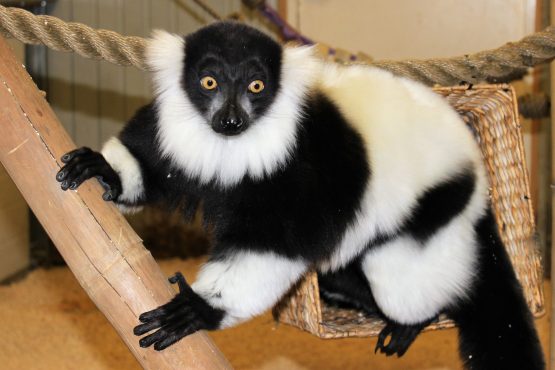
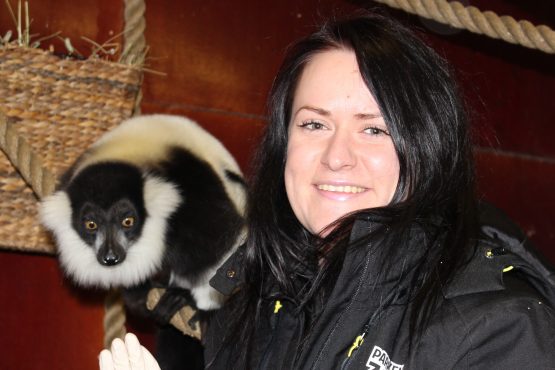
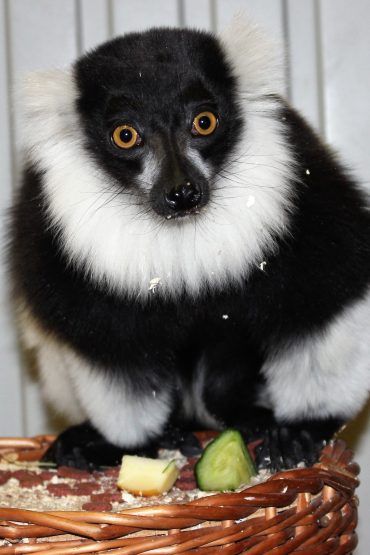
During the school holidays, two brand-new individuals moved to Eskilstuna. These are the sisters Volana and Makira, who have settled at Parken Zoo. The sisters belong to the black-and-white ruffed lemur species, which is one of the park's now 4 lemur species and can be seen from the season premiere in the Lemur World area.
Volana is the slightly tougher of the two, showing good self-confidence, while Makira is a bit shyer and calmer. They moved here from Marwell Wildlife Zoo and are part of the European Association of Zoos and Aquaria’s conservation breeding programme. Lemurs are found only on the island of Madagascar, and the black-and-white ruffed lemur is one of the largest species, with a distinctive black and white coat. They are critically endangered and their numbers are declining in the wild. Lemurs belong to the primate group, to which we humans also belong. Today, there are 437 known species of primates, and nearly 70% are classified as endangered or near threatened.
Parken Zoo is now home to 13 species of primates, all of which are included in conservation projects. 6 of the park's primates are critically endangered. Everyone can help reduce the threats to the apes by avoiding palm oil and king prawns, reducing consumption, energy use and greenhouse gas emissions, and most importantly, raising awareness of environmental issues and spreading the message about the threat to biodiversity.
Black-and-white ruffed lemurs live in groups of 2-5 individuals, sometimes more. They use many different sounds to communicate and can be heard from a long way off. Just like many other lemurs, they are incredibly agile and skilled at swinging between trees. It is also in the trees that they spend most of their time, where they build nests and keep their young protected. It is common for them to give birth to twins and sometimes even triplets. Nests are often shared with other mothers in the group so that they can help each other look after the little ones and protect them. The main predators lemurs need to watch out for are birds of prey and fossas, and also humans, of course. They eat fruit, seeds, and leaves, but among their favourite things is flower nectar, which also makes them excellent pollinators.
Parken Zoo collaborates with and contributes financially to two organisations working in the wild to conserve and protect Madagascar's lemurs, aeecl.org. and saveourspecies.org.
There's currently an exciting documentary about lemurs on SVT Play https://www.svtplay.se/video/17048062/madagaskars-lemurer?info=visa.