The muddy dragon
20 June 2018
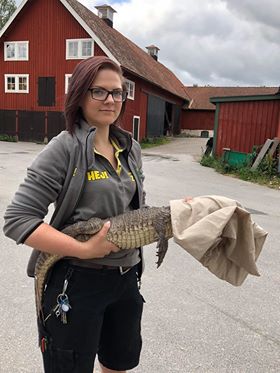
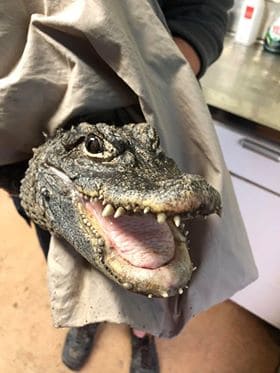
This week, one of our fossas, Solano, and one of our Chinese alligators, Huang, moved to a zoo in Germany as part of the European Zoo Association's breeding programme to conserve endangered species. On the same day, some of our Egyptian tortoises also moved to Barcelona and Edingburgh.
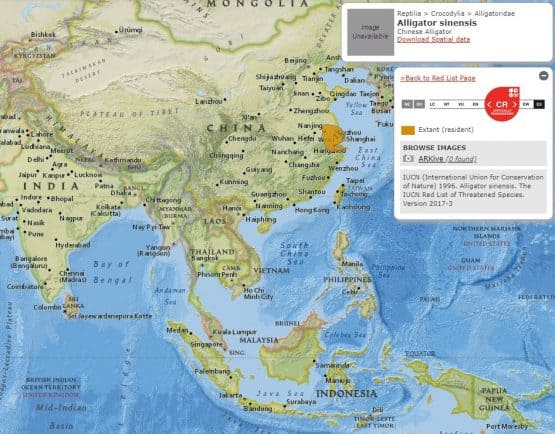
Things are looking really bad for the Chinese alligator in the wild as it is estimated that there are only between 130-150 individuals left in the Yangtze River in eastern China.
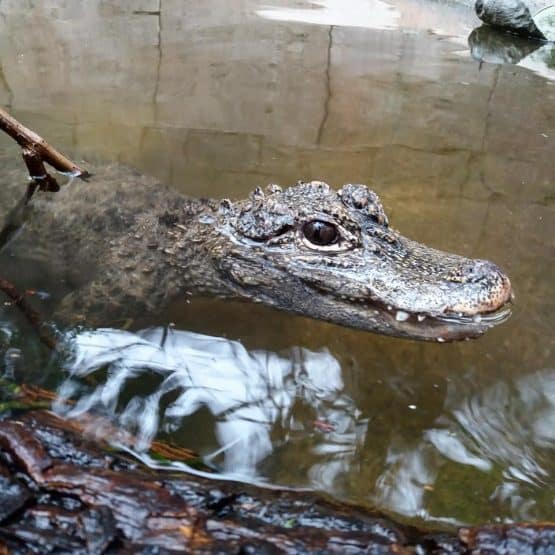
But, there is hope. The European Conservation Project has 49 alligators in 15 different institutions across Europe, and conservation breeding is also underway in China, where there are plans to release park-bred alligators in three new provinces. In China, the beautiful alligator is known as ”Tu Long” which means muddy dragon and is often associated with the mythical Chinese dragon.
Our alligators arrived at Parken Zoo in 2012 after they were seized by the Dutch authorities. The illegal trade in endangered animals and plants is a multi-billion dollar business involving millions of plants and animals from thousands of species and is a major contributing factor to species at risk of extinction from the wild.
The illegal trade is also close to home. This spring, hundreds of reptiles have been seized in southern Sweden and just last week a new seizure was made. You can help fight the illegal trade by not allowing yourself to be photographed with wild animals or buying souvenirs containing animal parts when travelling, and by supporting organisations working to preserve endangered species and their habitats.
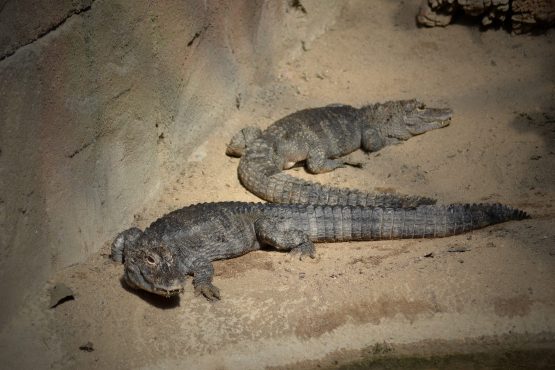
. The park is home to the breeding pair Chen and Mingmei, who you can see in our rainforest centre AmaZOOnas.