The five wonders of Moja!
8 January 2018
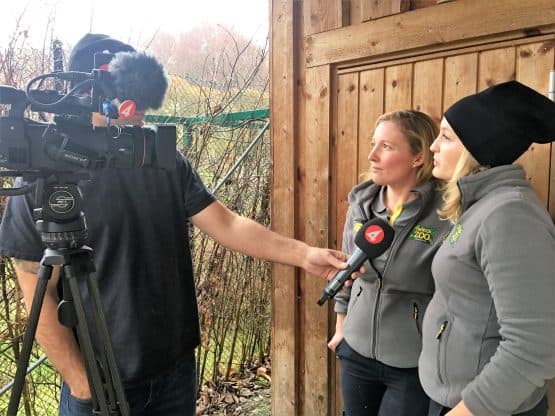
In the video below, zoo teacher Marie de Colli talks to Mojas animal carers Marlene Windahl and Julia Johnsson.
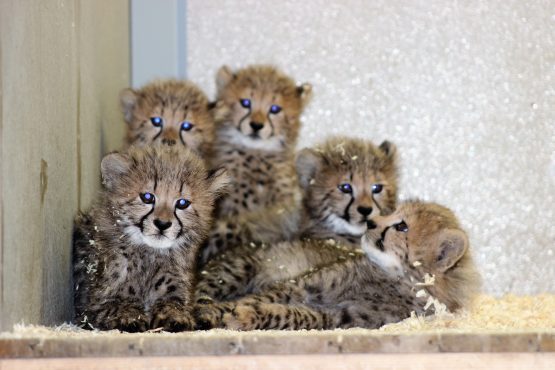
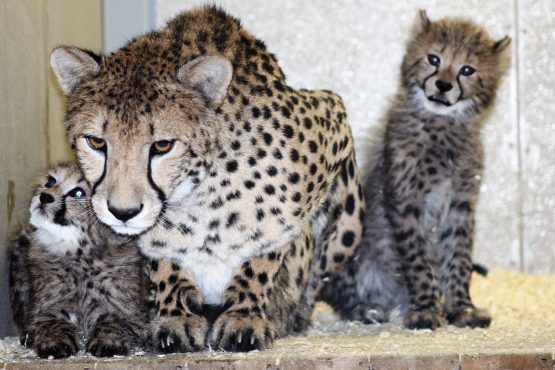
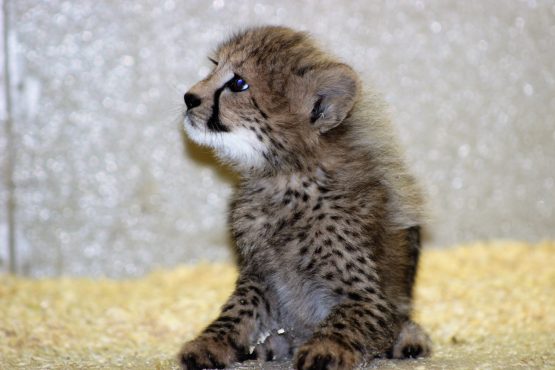
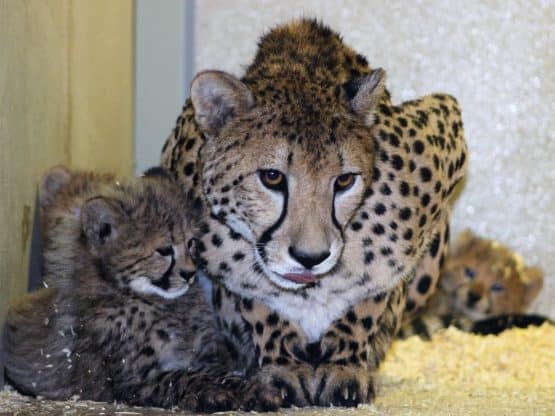
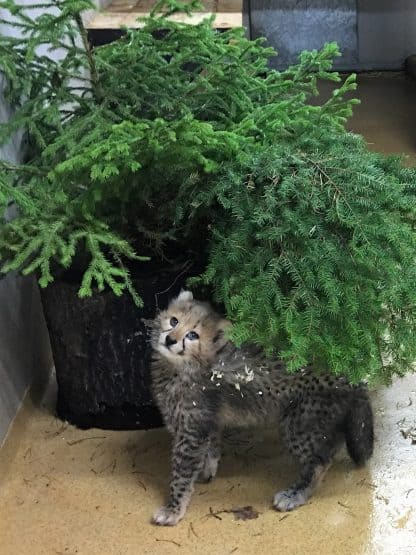
Today, on International Cheetah Day, we naturally want to give extra attention to the cheetah and the threats it faces! We are incredibly happy about our own female, Moja, and her five little miracles born in September. It's her first litter and she's doing a fantastic job as a mother.
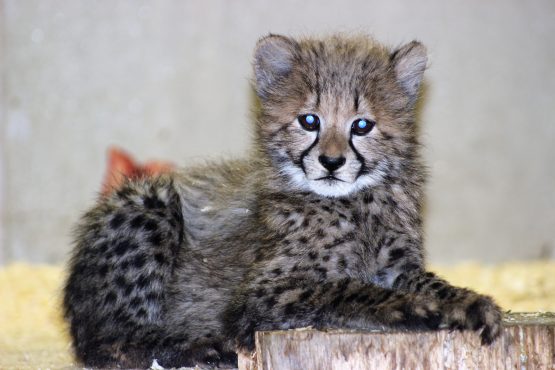
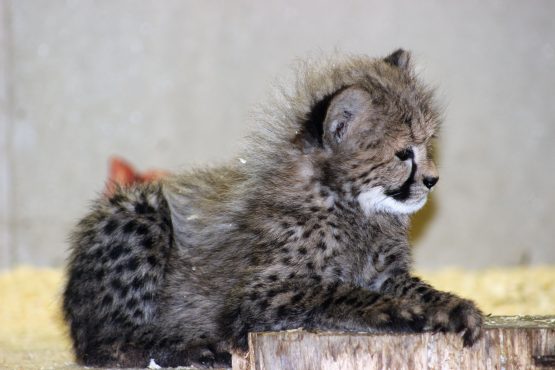
Cheetah cubs have a very distinctive appearance. The fur on their backs and necks is considerably longer than that of adults, and their coat is also a different colour, tending towards grey-blue, compared with the cheetah’s natural beige-yellow colour. It is believed that cheetah cubs have developed this camouflage to resemble the honey badger, which lives in the same areas. The honey badger is tough and aggressive, and there are not many animals on the savannah that would willingly take them on. By resembling the honey badger, cheetah cubs are better protected, which they really need. The mortality rate among wild cheetah cubs is extremely high – close to 95% in some areas – and most are killed by lions, hyenas, baboons and leopards.
The cheetah is classified as vulnerable and its numbers are declining in the wild, mainly due to habitat destruction, fragmentation, a decline in prey numbers and hunting. It is believed to have disappeared from 76 % of its original range in Africa, and in Asia only around 50 individuals remain in Iran. In total, there are an estimated 6,700 individuals remaining across some 20 countries.
The Park Zoo's cheetahs are part of the European Endangered Species Programme, EEP, which aims to conserve the endangered species. The zoo population consists of approximately 370 individuals residing in 90 different institutions that collectively work to preserve the genetic and biological diversity of the world.
Last week we had a visit from TV4, You can find their clips here: